If you live or work near Victoria Street, you already know the rhythm of the area: busy...
Waste Disposal Westminster provides a reliable, efficient and ethical house clearance service for residents, landlords, and businesses across the City of Westminster. From mansion block flats near Maida Vale and converted townhouses in Pimlico, to terraced homes off Harrow Road and apartments around Victoria Street, our team handles every type of property with care and professionalism.
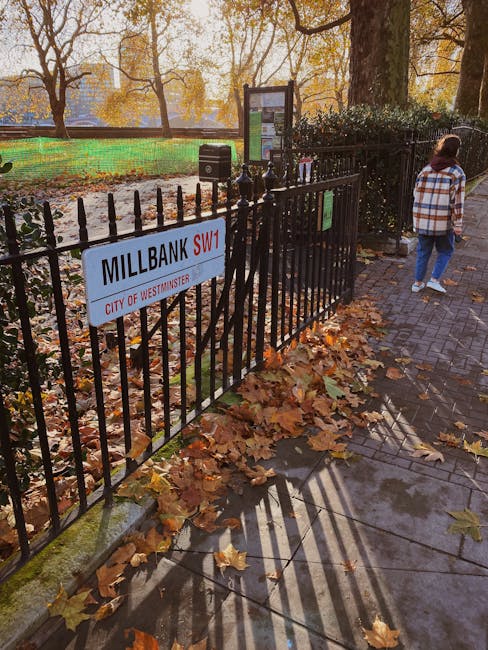
We specialise in both house clearance and flat clearance throughout Westminster. Whether you live in a purpose-built block near Edgware Road, a converted period building around Marylebone, or a modern riverside apartment by Millbank, we tailor our service to your specific needs and building layout.
Our team is experienced in navigating basement flats, top-floor walk-ups without lifts, narrow staircases in older terraces, and shared entrances in mansion blocks. We work respectfully around neighbours and building managers to minimise disruption, particularly in busy areas like Soho, Covent Garden and around Oxford Street.
You can choose between a full clearance of your property or a partial, targeted service. A full clearance is ideal if you are moving out, selling, letting, or preparing a property for renovation. We remove unwanted furniture, appliances, old carpets, bric-a-brac, clothing, books, and general household waste, leaving the space clear, tidy and ready for its next use.
For partial clearances, we focus only on specific rooms or items. This may include clearing a single bedroom, a loft space in a terrace near Warwick Avenue, or a storage room in a flat off Regent Street. Many clients ask us to clear bulky items such as wardrobes, sofas, beds, white goods and office furniture while leaving the rest of the contents untouched. We take instructions carefully so that only agreed items are removed.
Probate clearances require sensitivity, organisation and respect. We regularly support families, executors and solicitors managing estates across Westminster, from quiet residential streets in St Johns Wood to central addresses near Marble Arch and Hyde Park.
We can work to your schedule and follow detailed inventories where required. Items requested by family members are separated and left in a safe place, while the remainder is sorted for reuse, recycling or ethical disposal. If you are not local to Westminster, we can coordinate access via keys from an estate agent, building concierge, or solicitor to ensure the process remains straightforward for you.
Our team can also provide photographs of cleared rooms if you need visual confirmation, which is particularly helpful when dealing with properties in managed blocks or estates such as the Churchill Gardens or Lillington Gardens estates.
Much of Westminster is made up of flats, whether in classic red-brick mansion blocks around Maida Vale and Paddington, modern developments near Nine Elms and Vauxhall Bridge, or mixed-use streets in Fitzrovia. Our flat clearance service is designed around the specific challenges of these buildings.
We liaise with concierges where required, respect loading restrictions on streets such as Baker Street or Victoria Street, and plan access carefully to avoid blocking communal areas or disturbing residents. From studio flats to multi-level maisonettes, we handle the heavy lifting, stair climbs and careful removal of large furniture so that you do not have to.
A core part of our service is maximising reuse and recycling. Large amounts of furniture and household goods we collect from Westminster properties still have life left in them. Rather than sending everything to landfill, we assess items for potential reuse or materials recovery.
Wooden furniture, metal bed frames, white goods, textiles, books and some electricals can often be directed into recycling streams. Where items are too worn or damaged for donation, we break them down into component materials whenever possible. Our goal is to divert as much as we can away from waste facilities and towards more sustainable outcomes.
We work with a network of local and regional donation partners to ensure that good-quality items from Westminster homes benefit people who need them. This includes charities and reuse organisations that accept sofas, tables, chairs, wardrobes, kitchenware, clothing, and small electrical items, subject to safety standards and fire labels where required.
When we clear a flat near Leicester Square, a terraced house off Charing Cross Road, or a family home close to Lord’s, we sort items carefully on site and at our facility. Reusable goods are separated for donation, helping to support community projects and reduce waste. Although we cannot guarantee that every specific item will be donated, our default approach is always to prioritise reuse whenever quality and regulations allow.
Ethical disposal is at the heart of what we do. We operate in full compliance with waste regulations, ensuring that items that cannot be reused or recycled are disposed of responsibly at licensed facilities. This is particularly important in densely populated areas of Westminster where fly-tipping and illegal dumping can be a problem.
We provide a transparent service so you know that your waste is handled correctly. From old mattresses in a basement flat near Bayswater Road to broken appliances in a townhouse near Sloane Square, everything we remove is processed through legal and documented channels. By choosing an ethical provider, you protect both the environment and the reputation of your property, estate or block.
We regularly work with landlords, letting agents and property managers handling flats and houses in Westminster. Short notice clearances are often needed between tenancies, especially in high-demand areas such as Marylebone, Mayfair and around Westminster Abbey.
We can clear abandoned belongings, leftover furniture and general rubbish, preparing the property for professional cleaning or immediate re-letting. For larger estates or multiple units within the same block, we offer coordinated, phased clearances that minimise disruption to existing residents.
Many house and flat clearances involve personal circumstances such as bereavement, downsizing or long-term hoarding. We treat every property with discretion and respect. Our team works quietly and efficiently, particularly in shared hallways and courtyards off streets like Ebury Street, Gloucester Place and Great Portland Street.
We understand that seeing a lifetime of possessions being cleared can be emotional. Where possible, we encourage clients to set aside sentimental items in advance. During probate clearances and sensitive cases, we can also flag up obviously personal items such as photos or documents we encounter, so that they can be returned rather than disposed of accidentally.
Our house clearance and flat clearance services cover the whole of Westminster, including areas around Oxford Circus, Knightsbridge, Paddington, Queen’s Park, Little Venice, St James’s and the wider West End. Whether you need a full clearance of a four-storey terrace, a partial declutter of a compact studio, or a careful probate clearance of a long-held family flat, Waste Disposal Westminster is equipped to help.
From planning access and parking on busy streets to sorting, donating, recycling and ethically disposing of your unwanted items, we take care of the entire process. You are left with a clear, usable space and the reassurance that your house clearance has been handled responsibly.
Waste Disposal Westminster provides waste disposal in Westminster for homes, flats, offices and renovation projects that need a careful, practical clearance service. We handle everyday rubbish removal, larger clearances and selected specialist disposal work, with an approach that keeps the service straightforward from the first enquiry through to collection. If you need to clear a room, empty a property or remove bulky items, our service is built around the contents that need taking away, not around a one-size-fits-all visit.
For customers who want to understand the wider range of work, our services overview gives a broad picture of the disposal and clearance options we provide. The main focus is still the same: removing unwanted material efficiently, separating reusable items where appropriate, and arranging disposal in a way that suits the site, access and quantity of waste. That means the service can be adapted to single-item removals, mixed loads and full clearances without turning every job into the same process.
When you are ready to move forward, you can review pricing and quote information and then send through the details needed for a tailored quotation. Tell us what needs removing, mention any access points or restrictions, and include anything that may need extra handling, such as dismantling or separation. A clear description helps us match the right service to the job and keeps the quotation process focused on the actual work.
Household waste disposal in Westminster often covers mixed items from everyday living: bagged rubbish, worn furnishings, broken household goods and clutter that has built up over time. A domestic clearance can be as focused as a few bulky pieces or as broad as a full room, flat or storage area. The service is designed to make the removal practical rather than complicated, with attention to access, safe lifting and sorting the load so it can be managed properly once collected.
For households that need a more complete clear-out, our house clearance service is suited to properties where several rooms or the entire contents need to be dealt with in one visit. In some cases, the work overlaps with our loft clearance option, particularly where access is awkward or items have been stored for years. We can also take care of furniture disposal when sofas, wardrobes, tables or beds are the main items that need removing.
Useful preparations are simple and do not need to be elaborate. A brief list of what is staying and what is going, a note about stairs, lifts or parking, and a few photographs of the items can all help create a more accurate quotation. If there are fragile areas, narrow corridors or shared entrances, it is worth mentioning them early so the clearance can be planned with care. Clear access information is especially useful when the waste is spread across more than one room. Request a quotation when you are ready.
Bulky domestic items are often the hardest part of a clearance, especially when they are awkward to move or no longer fit the room layout. Sofas, wardrobes, beds, tables, bookcases and other large furniture pieces can usually be taken as part of a broader disposal job or handled on their own. The important part is identifying the type of item, where it sits in the property and whether it needs to be dismantled before removal. That allows the service to be planned safely and with less disruption.
We also deal with appliances and other household equipment through our white goods and appliance disposal page. Fridges, freezers, washing machines, cookers and similar units often need separate consideration because of their weight and construction. If furniture removal is the main task, the furniture removal service is a useful fit, while a more general load may be better suited to rubbish collection. Each route gives a slightly different way to approach the same core need: getting awkward, oversized items out of the property cleanly.
Not every item has the same handling needs, so it helps to separate heavy furniture, electrical goods and mixed rubbish when describing the job. That makes it easier to determine whether a simple collection is enough or whether a more structured clearance is better. If any piece is fixed, partially dismantled or built in, say so in the enquiry so the quotation reflects the actual work required rather than a rough guess. The goal is a service that fits the item, the property and the route out.
Commercial waste disposal in Westminster is usually about removing items without interrupting day-to-day operations more than necessary. Offices, shops, managed premises and small business spaces may need furniture removed, archived material cleared, packaging taken away or mixed waste disposed of as part of a wider tidy-up. The practical questions are often access, timing and the volume of material rather than the type of building itself. A well-planned clearance makes it easier to empty a work area while keeping the remaining space usable.
Our office clearance service is suited to desks, chairs, filing furniture and other workplace items that need to be taken out together. For businesses with a wider range of material, the commercial waste removal page covers mixed loads that are not limited to furniture alone. Where the job is more general and includes bags, oddments and loose rubbish, waste clearance can be the better fit. These service pages help distinguish between office furniture, general rubbish and larger clearances.
Commercial enquiries are easier to price accurately when the contents are grouped by type. A short breakdown of furniture, electrical items, paper waste and general rubbish is more helpful than a broad statement that the office needs clearing. If there are lift bookings, reception points or building rules to observe, include them at the same time. Advance access details help us plan around the property rather than assume a standard arrangement. That is particularly useful where collections need to be coordinated around trading hours or managed entrances.
Builders waste disposal in Westminster usually involves the aftermath of improvement work rather than demolition on a large commercial site. Renovation rubbish can include timber offcuts, broken plaster, packaging, tiles, old fixtures and mixed debris that accumulates while a project is under way. The service is intended to take away material that is no longer needed, keeping the site clearer and reducing the amount of loose waste left behind after work has finished. It is often the most practical option when a skip is not the best fit for the property or access.
For renovation and trade jobs, the builders waste disposal page is the most relevant starting point. If the load is more mixed and includes general waste from a refurbishment, rubbish collection may be more suitable. In properties where an old interior is being stripped out, a broader house clearance can sometimes cover what remains after removal work. The right option depends on whether the job is mainly construction debris, domestic items or a combination of both.
It is helpful to separate heavier rubble from lighter packaging and to note whether materials are scattered across several floors. Builders waste is often easier to quote for when the load type and location are described clearly at the outset. If there are sharp items, dust-heavy waste or components that need lifting from upper levels, mention that as well. Good site detail helps create a realistic quotation and ensures the collection can be matched to the shape of the project rather than to a generic estimate.
Good waste disposal is not only about taking items away; it also depends on what happens to the load once collected. Different materials can require different routes, so mixed waste needs to be handled with some sorting rather than treated as a single category. Furniture, electrical goods, garden cuttings, packaging and general rubbish each behave differently when processed, and careful separation helps the disposal method suit the material. That makes the service more structured and gives customers a clearer idea of how their unwanted items are being dealt with.
Our recycling and sustainability page explains the broader approach to material recovery, while the waste carrier licence and compliance page sets out the compliance side of the service. These pages are useful if you want to understand how disposal duties and sorting practices fit together. They sit alongside our main disposal work, so customers can see the difference between moving waste out of a property and making sure it is passed into the right channel afterwards. That distinction matters whenever loads include several material types.
Separate the obvious categories when describing your waste: furniture, appliances, green waste, renovation debris and general rubbish. A mixed description is fine, but a little structure helps us understand whether the job needs specialist handling or only a straightforward collection. If some items may be reusable or if there are materials that should not be stacked together, mention that in the enquiry. Clarity at the start helps the disposal route reflect the load rather than forcing everything into one broad label.
Waste disposal prices are shaped by the type of material, the overall volume, the ease of access and any additional handling that may be needed on site. A few light bags in an easy ground-floor location are very different from a full clear-out involving stairs, awkward furniture or separated loads. That is why quotations are usually more accurate when the enquiry includes enough detail to show the actual work, not just the general idea of the job. The clearer the description, the more closely the quote can reflect the likely removal effort.
For those who want to review the way estimates are put together, our prices page and pricing and quotes page both provide a useful starting point. The best quotation requests usually include the quantity of waste, the main item types, whether there are stairs or lifts, and whether anything needs dismantling first. If the job is shared between several rooms or includes a mix of domestic and office material, say so clearly. A short, accurate description is usually more valuable than a long message with missing basics.
You can also use plain written notes if that is easier than putting the information into a full list. A quick summary of what needs removing, any access concerns and the preferred timing is enough to start the conversation. If you have images, send them with the enquiry rather than separately describing every object in detail. Keep the focus on the practical points that affect the work, and ask for a quotation when you are ready to compare options.
Westminster is one of the best-known central London districts, stretching from the River Thames north towards the more residential streets and government buildings that define much of its character. The area is strongly associated with national institutions: the Palace of Westminster and Big Ben, Westminster Abbey and the government quarter around Whitehall all sit within the wider district. Yet Westminster is not only ceremonial and political. It also includes busy shopping streets, hotel clusters, Georgian terraces, mansion blocks and quieter local lanes that give the area a layered urban feel. The waterways and open spaces nearby add further variety, from the Thames embankment to the formal setting of St James’s Park and the tree-lined approaches that connect landmarks across the centre of the city.
Many Westminster properties combine older architecture with modern use, which can affect how clearance work is approached. There are period buildings, converted flats, managed apartments and commercial premises sharing the same streets, often with different access arrangements and storage patterns. That variety means the contents to be removed can range from ordinary household clutter to office furniture, archived material or renovation leftovers. A flexible disposal service needs to work with the building rather than assume every property can be treated the same way.
When the job involves more than one type of material, it is worth choosing the service route that best matches the main load. A property full of domestic goods may suit domestic waste collection, while a mixed home clearance may need the broader waste disposal option. For rooms that mainly contain furniture, the furniture removal page is a helpful reference, and outdoor or seasonally stored material may fit garden waste removal. These pages keep the main categories separate so the enquiry can be directed to the most appropriate type of work.
Another useful point is to think about the sequence of the clearance. If some items are to stay in place while others are being taken away, say which areas should be left alone and which should be emptied first. Room-by-room notes are often enough for a broad domestic or mixed-property job. If there are items with sentimental value, fragile finishes or anything that needs careful sorting before removal, include that too. The service can then be shaped around what is to be taken, what is to remain and how the property should be left once the collection is complete. Contact us for a quotation.
A good quotation starts with practical detail rather than a long explanation. The most helpful message usually states the property type, the main items to remove and any access features that could affect collection. If there are stair-only routes, restricted loading space or several separate rooms to clear, include that information in the same note. This keeps the quotation relevant to the actual work and reduces the chance of misunderstanding when the collection is arranged.
It can also help to separate categories before you write. For example, mention furniture, appliances, office material, builders waste or general rubbish as distinct groups if the job includes more than one. When the load includes several types of waste, a little structure makes the quote easier to match to the real job. If you want to request a broader clearance, the waste clearance page is a sensible place to start before sending your details. You can then choose the service that best reflects the amount and type of material involved.
For a quick start, simply list the main items, note the access and say when the waste needs to be removed. That is enough to begin the quotation process without overcomplicating it. If you would like to talk through a mixed load, an awkward item or a full-property clearance, use the contact page and send the details in one message. Request a quotation when you are ready.
(84)