Rubbish collection Westminster SW1 Victoria Street guide
Posted on 26/07/2026
If you live or work near Victoria Street, you already know the rhythm of the area: busy pavements, office buildings, apartment blocks, shops, cafes, and the odd building project that seems to appear overnight. That mix makes waste removal a little less straightforward than it looks from the outside. This Rubbish collection Westminster SW1 Victoria Street guide is here to make the process simpler, safer, and a lot less stressful.
Whether you are clearing out a flat, dealing with office waste, removing bulky items, or just trying to get rid of awkward rubbish without causing a nuisance, the key is to understand what works locally, what to avoid, and how to choose the right service for the job. Let's face it, in central London nobody wants a skip sitting outside for longer than necessary.
In the sections below, you will find a practical breakdown of how rubbish collection works around Victoria Street, what affects cost, which service types suit different situations, and how to stay compliant with local waste handling expectations. You'll also find a checklist, a comparison table, and a straightforward FAQ at the end.
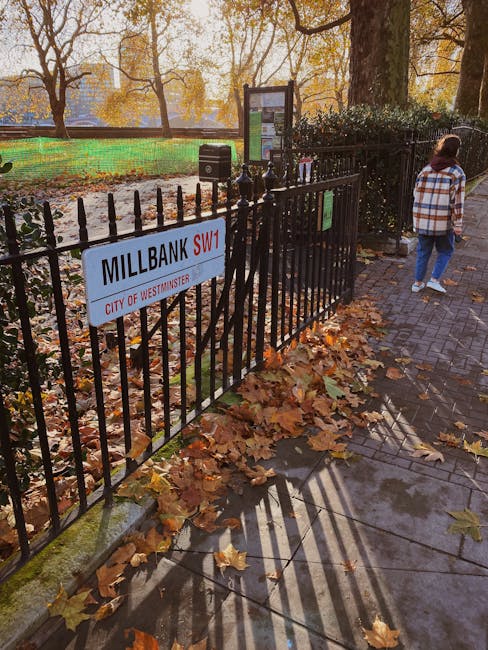
Why rubbish collection in Westminster SW1 Victoria Street matters
Victoria Street is not the kind of place where waste can be left to chance. Space is limited, footfall is high, and access can be tight. If rubbish piles up, it affects more than appearance. It can create trip hazards, delay deliveries, annoy neighbours, and make a property feel untidy fast. In commercial settings, that can also affect staff morale and customer impressions. In residential buildings, it can become a building-management headache very quickly.
There is also the practical side. Rubbish left in communal areas, on the street, or in service corridors tends to attract extra attention, and not the good kind. People notice. Building managers notice. Passers-by notice. In an area like SW1, that matters. Efficient collection helps keep things tidy, predictable, and less disruptive.
If you are managing a flat clearance, a minor renovation, or a business clean-up near Victoria Street, the goal is usually not simply "get rid of stuff." It is to do it in a way that is timely, discreet, and properly handled. That is the real value here.
Expert summary: In central Westminster, good rubbish collection is as much about access, timing, and compliance as it is about removal. The smoother the planning, the fewer the headaches.
For people exploring wider local waste support, the broader services overview is a useful place to understand the range of clearance options available in Westminster.
How rubbish collection Westminster SW1 Victoria Street guide works
At a practical level, rubbish collection in this part of Westminster usually follows a simple pattern: identify what needs removing, decide how much is involved, choose the right collection method, and arrange a convenient time slot. The complication is in the details. A few black bags is one thing. A mixed load of broken furniture, packaging, and old appliances is another.
Most people think in terms of "I need it gone today," which is fair enough. But a good collection service also considers access, item type, lifting needs, and disposal route. That is especially true if the rubbish is bulky or if it includes anything that should not just be thrown into general waste.
In central areas, collection is often preferred over self-haul because it avoids hiring a vehicle, finding loading space, and making multiple trips. If your rubbish includes everyday household items, a targeted domestic waste collection Westminster service may fit well. If you are dealing with larger or mixed loads, a broader waste clearance Westminster solution is often more sensible.
Here is the usual flow:
- You describe what needs removing.
- The service assesses the type and amount of waste.
- A time is arranged, often with attention to access constraints.
- The team collects, loads, and transports the waste.
- The waste is sorted for reuse, recycling, or disposal where appropriate.
That sounds straightforward. In reality, the best jobs are the ones where the waste is described clearly from the start. One vague message like "it's just a bit of stuff" can turn into a messy surprise once the team arrives. Nobody enjoys that moment, truth be told.
Key benefits and practical advantages
There are a few clear reasons people choose professional rubbish collection around Victoria Street rather than trying to handle everything themselves.
- Time saved: No van hire, no sorting out loading, no repeated journeys.
- Less disruption: A good team works quickly and keeps the process contained.
- Safer lifting: Heavy or awkward items can be handled more carefully.
- Better sorting: Reusable and recyclable items can be separated where possible.
- Cleaner finish: The area is left tidier, which matters in communal and business settings.
- More flexibility: Useful for one-off clear-outs, renovation waste, or regular commercial needs.
The biggest benefit, though, is peace of mind. When rubbish starts interfering with daily life, a proper collection service gives you back the space. That might be a spare room full of old boxes, a shop basement with packaging, or a flat where the hallway has slowly become a staging area for "things to deal with later." We have all seen that pile grow. It always grows.
If you are trying to compare waste handling options, it helps to look at the bigger picture through waste disposal Westminster, especially if your project includes mixed rubbish or ongoing removal needs.
| Benefit | Why it matters near Victoria Street | Typical use case |
|---|---|---|
| Fast turnaround | Reduces clutter in busy shared spaces | End-of-tenancy clear-outs, same-day waste |
| Access management | Helpful where parking and loading are limited | Office buildings, apartments, rear access properties |
| Flexible load size | You only pay for what you need removed | Small household rubbish or larger clearances |
| Responsible disposal | Supports better environmental practice | Mixed household or commercial waste |
Who this is for and when it makes sense
This kind of service is not just for big refurbishments. Far from it. In Westminster SW1, the people who typically need rubbish collection include:
- flat owners clearing out old furniture, packaging, or unwanted household items
- tenants at the end of a lease who need a quick, clean departure
- landlords preparing a property for new occupants
- office managers dealing with desks, filing, and old equipment
- shop or hospitality operators handling routine waste or clear-outs
- builders and tradespeople producing non-hazardous renovation waste
- households dealing with loft, garage, or storage-room clutter
It makes sense whenever the waste is too bulky, too much, too awkward, or too time-sensitive for standard disposal. It also makes sense when you simply do not want to spend your weekend wrestling a broken wardrobe down a stairwell. No judgement there.
For example, if a property near Victoria Street is being sold or re-let, small delays matter. A last-minute clearance can make the difference between a polished viewing and a stressful rush job. In that kind of scenario, house clearance Westminster can be a better fit than piecemeal removal.
If the job is more business-focused, such as clearing filing cabinets, office chairs, or packaging waste from a shared workspace, then office clearance Westminster may be the more relevant route.
Step-by-step guidance
If you want a cleaner, less stressful process, this is the simplest way to approach it.
- Identify the waste type. Separate household rubbish, furniture, appliances, builder's waste, and anything unusual. Even a rough split helps.
- Check access. Think about stairs, lifts, loading bays, parking restrictions, and whether the collection point is straightforward to reach.
- Estimate volume. A few bin bags is very different from a room full of furniture. If needed, take photos so the job can be assessed accurately.
- Choose the right service. Domestic, commercial, furniture, builders, or full waste clearance each suits a different need.
- Confirm timing. In a place as busy as Victoria Street, collection windows matter. Early planning often helps.
- Prepare items. Put waste together safely and make sure walkways are clear. If items need dismantling, do that first if you can.
- Ask about sorting and disposal. Reuse and recycling should be part of the conversation, not an afterthought.
- Keep records if needed. For businesses or managed buildings, keep notes or invoices for internal records.
A small tip from experience: do not leave all the decisions until the collection team arrives. The process moves much more smoothly when you have already decided what stays and what goes. Otherwise you end up standing in a hallway saying, "Actually, maybe keep that chair?" and the whole thing slows down.
For straightforward household waste, the rubbish collection Westminster page may be the most direct next step if you are ready to arrange removal.
Expert tips for better results
Here are the details that tend to separate a smooth collection from a frustrating one.
- Photograph everything before the collection. This helps avoid confusion about size and access.
- Keep items grouped. Mixed piles are harder to assess than tidy stacks.
- Label anything delicate or valuable. It sounds basic, but it avoids mistakes.
- Make the route clear. Hallways, staircases, and lift areas should be free of obstacles.
- Ask what happens to recyclable materials. A responsible service should be able to explain the general process.
- Plan for busy times. Around office hours and service deliveries, Victoria Street can feel tight. A little timing flexibility helps.
One overlooked point: if you are clearing a property that has been empty for a while, do a quick walk-through first. Old batteries, small electronics, broken glass, or hidden sharp objects can lurk in boxes. It is a tiny bit boring, yes, but it prevents avoidable mishaps.
You may also want to compare the environmental approach behind different services. A provider with a clear sustainability focus can make a difference, particularly if you want waste handled in a more responsible way. The recycling and sustainability information is useful for understanding that mindset.

Common mistakes to avoid
People usually do not get rubbish collection wrong because they are careless. They get it wrong because they underestimate how quickly a small task becomes complicated in central London.
- Underestimating volume. What looks like "a bit of rubbish" can fill a van fast.
- Mixing waste types without saying so. Furniture, builders' waste, appliances, and general rubbish may need different handling.
- Ignoring access issues. Narrow stairwells or no-parking zones can slow everything down.
- Leaving booking too late. Last-minute requests often limit your options.
- Forgetting building rules. Some properties have specific collection or loading procedures.
- Not checking item condition. If something is reusable, it may be worth separating rather than tossing it all together.
The most common mistake? Trying to solve the whole job in your head instead of on paper, or at least in a few photos. A quick inventory saves more time than most people expect. And yes, the smallest jobs can be surprisingly annoying if you wing it.
Tools, resources and recommendations
You do not need much in the way of specialist tools, but a few simple things make a real difference:
- Bin bags and sturdy boxes for sorting smaller items
- Labels or marker pens to separate keep, donate, recycle, and remove
- Basic gloves for safe handling of dusty or rough items
- Measuring tape if you are unsure whether large furniture will fit through access routes
- Phone photos to help explain the job clearly
- Building instructions or access notes for concierge, porter, or managed-property coordination
If your needs are more specialised, a service with several related clearance options may be useful. For example, if you are emptying a flat as well as disposing of old chairs or sofas, it can help to look at furniture removal Westminster and furniture disposal Westminster as part of the same plan.
For offices, large shared spaces, or businesses between moves, the commercial side is just as important. In that situation, commercial waste removal Westminster is often a more natural fit than a one-off domestic collection.
Law, compliance, standards, or best practice
Waste removal in the UK is not just a matter of convenience. There are practical compliance expectations around how waste is handled, transferred, and disposed of. The important thing for readers is not to memorise legal wording, but to understand the principles.
As a rule, you should expect any waste collector to behave responsibly, keep waste secure during transport, and follow sensible sorting and disposal practices. For businesses, that expectation is even more important because waste records, duty-of-care thinking, and responsible disposal choices can matter internally. If you are unsure about whether a provider is operating properly, it is reasonable to ask how they manage waste, what happens to different item types, and whether they follow recognised industry norms.
It is also wise to look for clear terms around service scope, handling, and payment. That helps avoid misunderstandings. A trustworthy provider should be transparent about what is included, what may cost more, and what cannot be taken. No drama. Just clarity.
Safety matters too. Heavy lifting, sharp edges, broken glass, and awkward stair access all carry risk. A good team should plan for that and work carefully. If the collection involves difficult lifting or complex access, checking the provider's insurance and safety approach is sensible. Likewise, it is sensible to review waste carrier licence and compliance information so you know the work is being handled responsibly.
For customers comparing how bookings and payments are handled, the pages on pricing and quotes and payment and security are useful for setting expectations before you commit. Small detail, but it matters.
Options, methods, or comparison table
Not every rubbish problem in Victoria Street needs the same solution. Here is a practical comparison.
| Method | Best for | Pros | Trade-offs |
|---|---|---|---|
| Small rubbish collection | Bin bags, boxed clutter, light household waste | Quick, simple, less disruption | Not ideal for very bulky items |
| Domestic waste collection | Household clear-outs, end-of-tenancy jobs | Good for mixed home waste | May need more detail if items are large |
| Furniture removal | Sofas, beds, wardrobes, tables | Useful for bulky items | Access and dismantling may matter |
| Builders waste disposal | Renovation rubble, offcuts, packaging | Suitable for project waste | Not every material can be treated the same way |
| Office clearance | Desks, chairs, filing, office clutter | Helpful for business moves | May require building coordination |
| Full waste clearance | Mixed or larger clear-outs | Broad and flexible | Needs clear description to avoid surprises |
If you are standing there wondering which one to choose, ask yourself one simple question: is this mainly small rubbish, or is it a mixed, bulky, or location-sensitive job? That answer usually points you in the right direction.
Case study or real-world example
Here is a realistic example. A small office near Victoria Street is refreshing its workspace and needs to remove old chairs, a broken cabinet, some packaging from new equipment, and a few bags of general clutter from storage. The team cannot spare half a day for a DIY run, and the building has restricted access hours.
The smartest approach is not to treat this as one giant problem. Instead, the office manager lists the items, groups them by type, takes a couple of photos, checks access times, and books a collection with enough detail for the load to be assessed properly. Because the job is clear from the start, the collection can be scheduled more efficiently and the work area is cleared without dragging on into the afternoon.
Now compare that with the same office simply saying, "We've got a few things to get rid of." That sounds harmless, but it creates back-and-forth, uncertainty, and possible delays. In a busy part of Westminster, delays are annoying in a very real way. People are waiting on lifts, movers, deliveries, meetings, the lot.
For larger commercial or mixed-use properties, it can help to start from a broader view of waste clearance Westminster and then narrow down to the exact type of collection needed.
Practical checklist
Use this quick checklist before booking rubbish collection near Victoria Street:
- Have I identified exactly what needs removing?
- Do I know whether the waste is domestic, commercial, bulky, or mixed?
- Have I checked access, lifts, stairs, and parking/loading constraints?
- Have I taken photos of the items and the route out?
- Have I separated anything that should be kept, reused, or recycled?
- Have I checked building rules or landlord instructions?
- Have I chosen the most appropriate service type?
- Have I asked about timing and any possible delays?
- Do I understand the quoted scope and likely charges?
- Am I clear on how the waste will be handled afterwards?
If you can tick most of those off, you are in good shape. If not, pause for five minutes and sort it now. You will thank yourself later.
Conclusion
Rubbish collection in Westminster SW1 around Victoria Street works best when it is planned with the local environment in mind. Busy roads, limited space, building access, and the need for quick, tidy removal all shape what a good service looks like. When you prepare properly and choose the right type of collection, the whole process becomes much easier than people expect.
The main thing to remember is simple: describe the waste clearly, think about access early, and choose a service that matches the job rather than forcing the job to fit the service. That one habit saves time, reduces stress, and usually leads to a smoother result. A tidy space really does change how a place feels. Even a small clear-out can make the room breathe again.
Get a free quote today and see how much you can save.
And if you are still deciding, that is fine too. A sensible rubbish collection plan is often less about urgency and more about getting the details right, one calm step at a time.



 Tipper Van - Rubbish Removal and House Clearance Prices in Westminster, SW1
 Luton Van - Rubbish Removal and House Clearance Prices in Westminster, SW1